
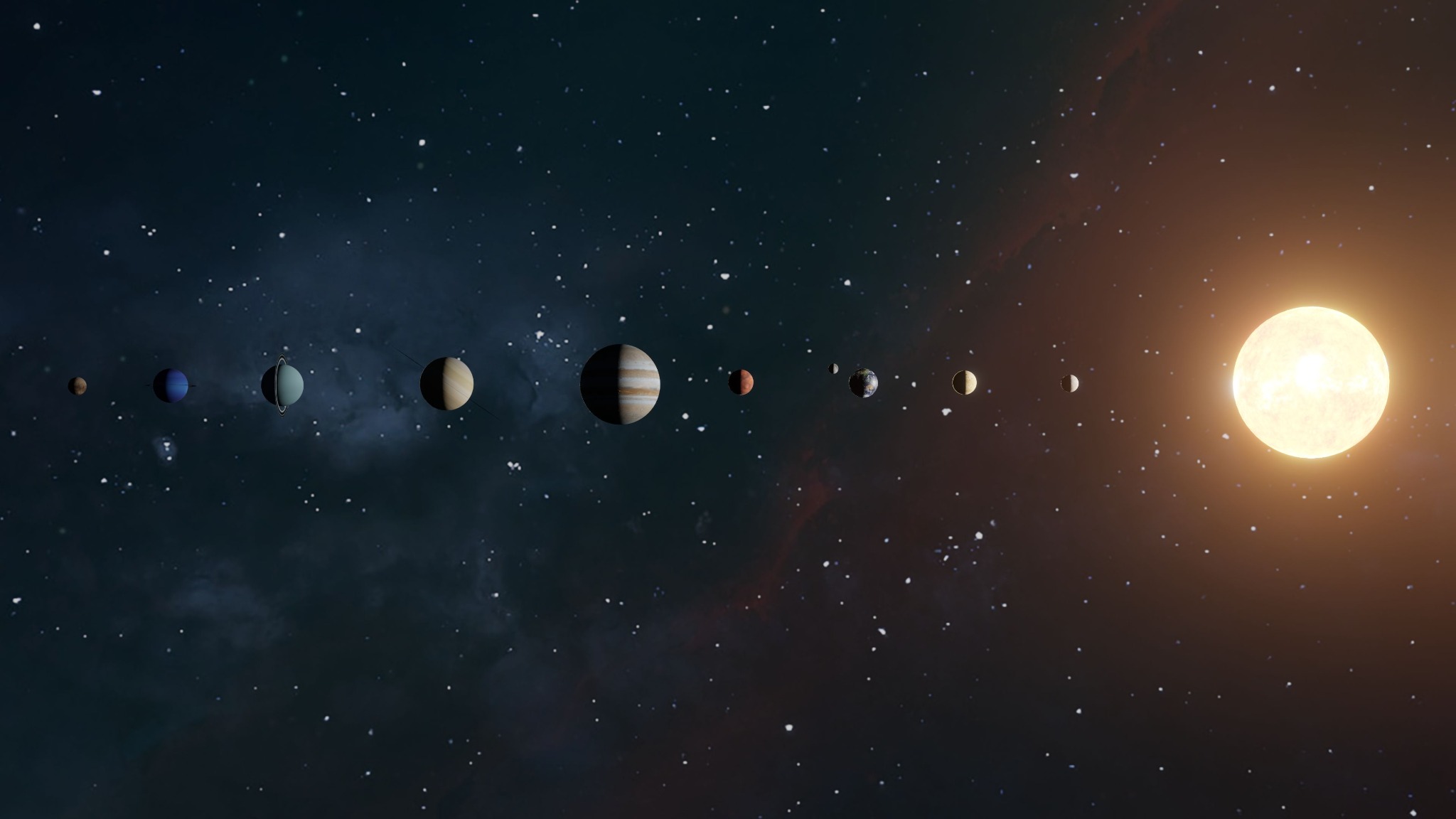
“Is Saturn bad?” “Is Jupiter always lucky?” Questions like these are understandable, but they make the planets sound like characters with only one mood. In Jyotish, a graha is a chart factor with a range of traditional significations. Its interpretation changes with context.
What are the navagraha?
Navagraha means “nine grahas.” The traditional set includes the Sun, Moon, Mars, Mercury, Jupiter, Venus and Saturn, together with Rahu and Ketu. The last two are the lunar nodes—the points where the Moon’s orbital plane intersects the ecliptic. They are mathematically meaningful points, not visible planets.
Meet the nine, one idea at a time
- Sun (Surya): vitality, authority, identity, father figures and a sense of purpose. A useful question is: where do you need to stand confidently in your own role?
- Moon (Chandra): mind, emotion, habits, care and the mother. It invites reflection on what helps you feel settled or connected.
- Mars (Mangala): initiative, courage, boundaries and force. Its strength can support decisive action; its difficult expression can become impatience.
- Mercury (Budha): speech, reasoning, trade and learning. It highlights how we gather information and communicate.
- Jupiter (Guru): teaching, knowledge, counsel and ethical perspective. It asks what helps your understanding mature.
- Venus (Shukra): affection, art, pleasure, relationships and appreciation. It raises questions about what we value and how we relate.
- Saturn (Shani): time, work, limitation, discipline and perseverance. It represents patient effort as well as the weight of obligations.
- Rahu: appetite, ambition, unfamiliar territory and disruption. It can symbolize a strong pull toward what feels new or unfinished.
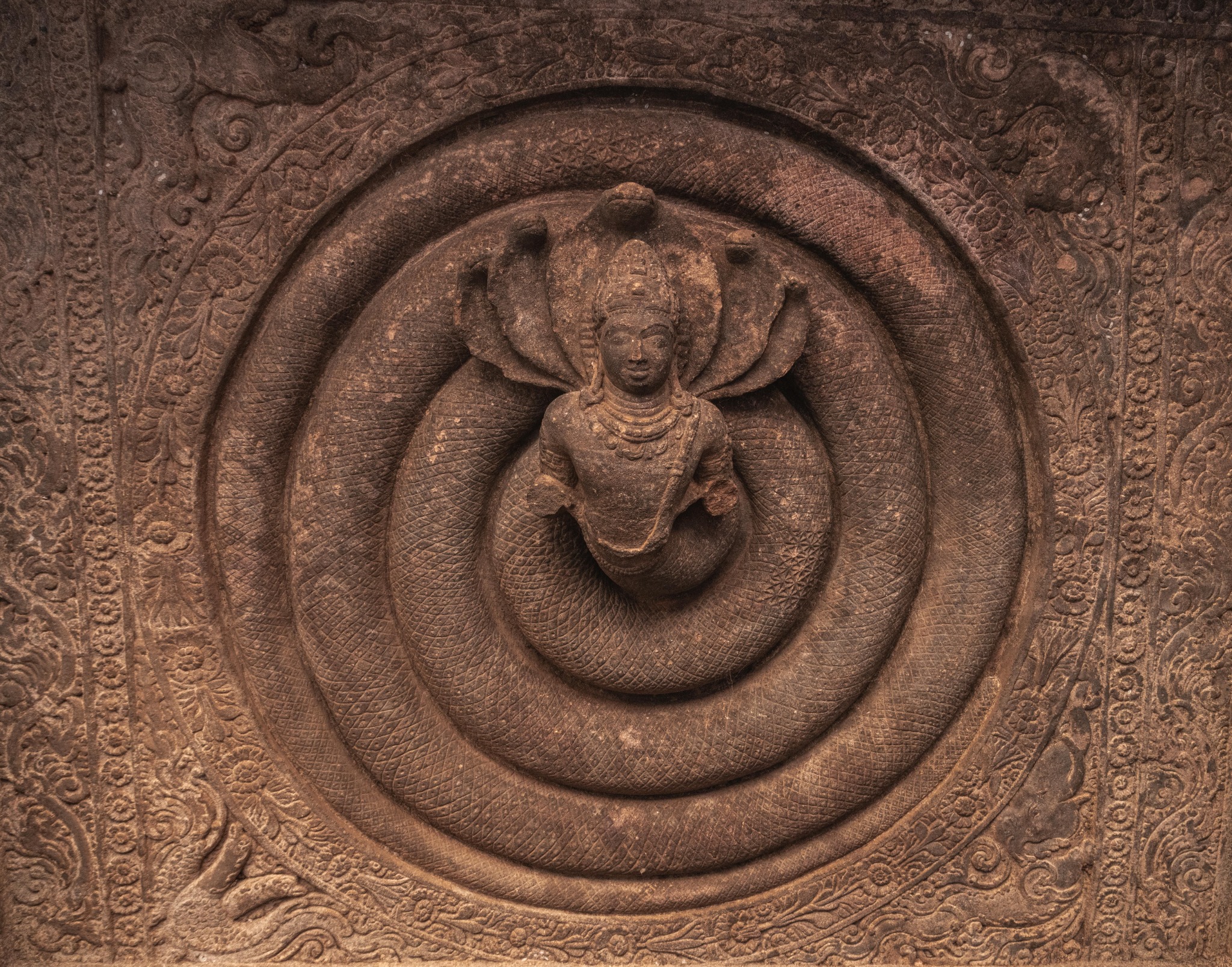
- Ketu: detachment, release, introspection and inherited patterns. It is often used to discuss stepping back rather than pursuing more.
Why no planet tells the whole story
The Sun and Saturn can both signify responsibility, but through different images: the Sun is associated with leadership and visibility, Saturn with sustained duty and limits. Mars can signify courage or conflict, depending on how a question is framed and how the chart is read.
A traditional interpretation considers the graha’s sign, house, lordship, connections, strength and timing. Different Jyotish schools emphasize different combinations. Saying “you have Rahu, therefore you will move abroad” skips nearly every step of a responsible reading.
What is the benefit of learning their symbols?
Learning the grahas gives you a vocabulary for asking more precise questions. A conversation about work might involve Saturn’s perseverance, Mercury’s skills and Jupiter’s guidance—not a single “career planet” handing down a verdict.
Treat these meanings as a traditional language for reflection, not psychological labels or guarantees about someone’s character or fate.
Next, explore Saturn’s lessons or the Rahu–Ketu axis in greater depth.
Further reading: The classical navagraha set and the distinction between physical planets and nodes — reference. These sources describe the tradition, not proof of personal outcomes.


 Built by hand
 Read together, not averaged
 From your actual chart