Understand each festival’s story, symbolism and spiritual meaning.
Rituals & Observances
Traditional customs and approachable ways to participate.
Dates & Timings
Local observance days, with each tithi’s start and end in your city.
Set your festival location
Local sunrise and lunar timings can change observance dates.
Your city · your local time
Smarta tradition, Lahiri ayanamsa, amanta months. Each festival is placed by its traditional deciding time (sunrise, midday, evening, midnight or moonrise) and shows the tithi’s full start and end in your city. Family and regional customs can differ by a day.
Traditions made approachable
Explore the festivals
Discover the meaning behind the year’s best-loved celebrations, across India’s regions. Their dates for your city appear in the calendar below.
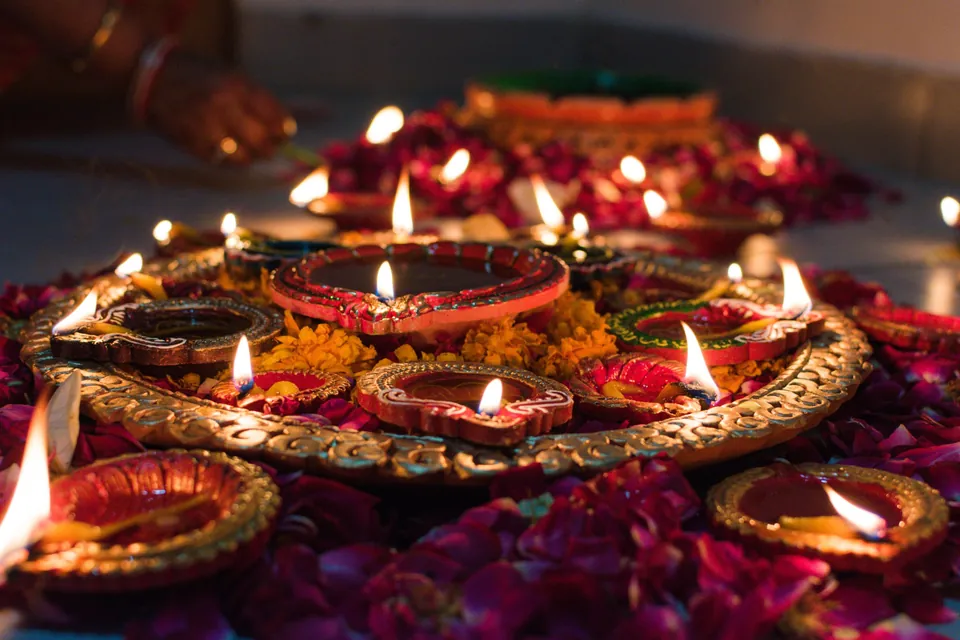
The festival of lights, honoring Lakshmi and the triumph of light over darkness.
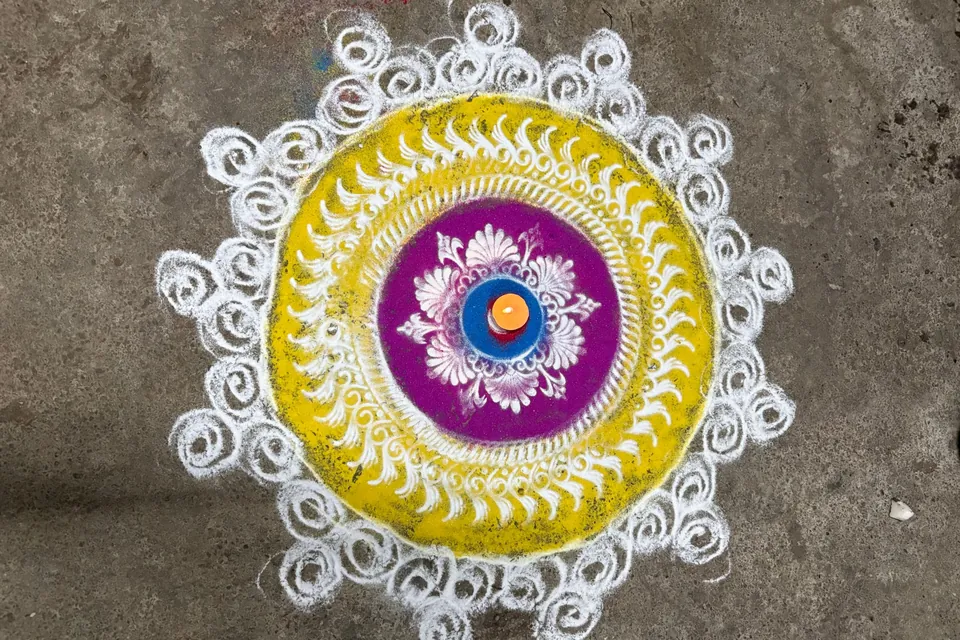
Lakshmi Puja is performed on the new-moon evening (Amavasya) of Kartika by the purnimanta calendar, Ashvin by the amanta calendar, usually in October or November, at the evening Pradosh period. It sits within five days of celebration, from Dhanteras to Bhai Dooj, with lamps, rangoli and family worship.
Navratri
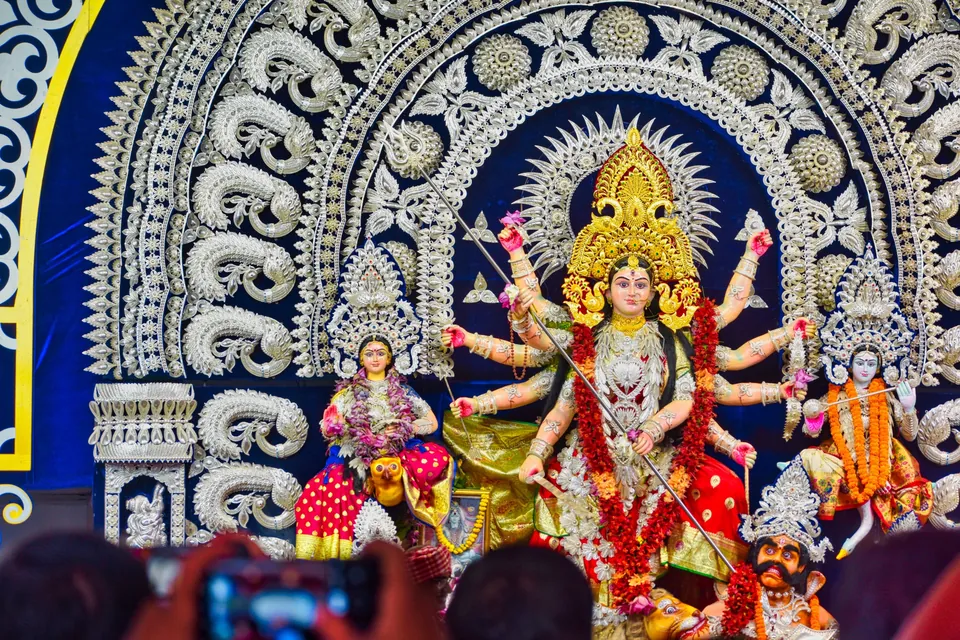
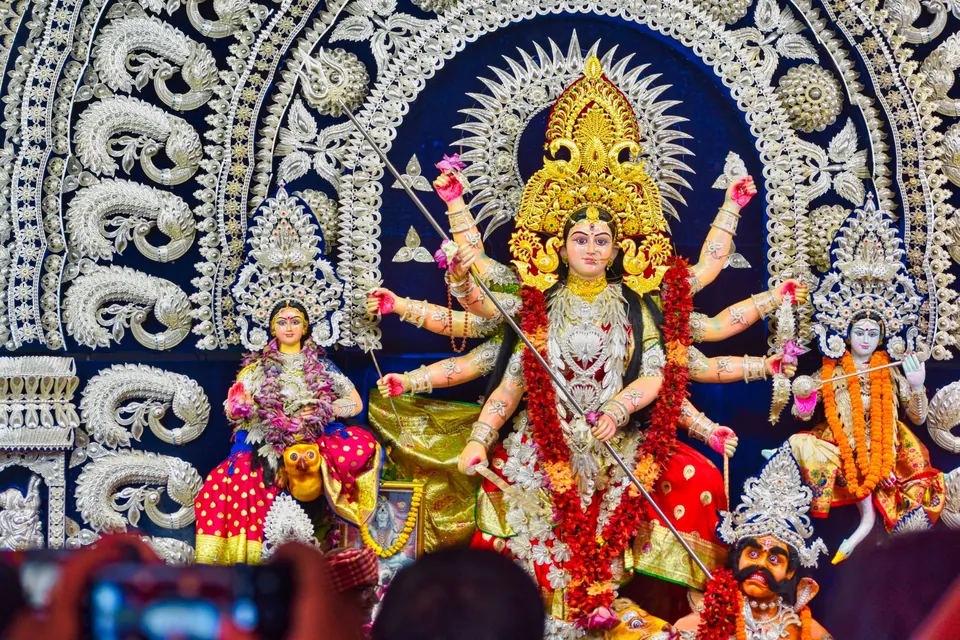
Nine nights honoring the Divine Mother in her many forms.
Sharad Navratri begins on the first day of the bright fortnight of Ashvin (Shukla Pratipada), usually in September or October, with Ghatasthapana, the installing of a sacred kalash. Each night honors a form of Durga; Durga Ashtami and Maha Navami lead to Vijayadashami. Customs include Garba and Dandiya in Gujarat, Durga Puja in Bengal, Golu dolls in Tamil Nadu and Bathukamma in Telangana.
Dussehra · Vijayadashami
The day of victory that follows the nine nights of Navratri.
Vijayadashami falls on the tenth day of the bright fortnight of Ashvin (Shukla Dashami), usually in September or October. It marks Rama’s victory over Ravana and Durga’s over Mahishasura; customs include Ravana Dahan in the north, Shami puja, Ayudha Puja and Vidyarambham, a child’s first letters, in the south.
Makar Sankranti · Pongal
The Sun’s turn north, celebrated as a harvest festival across India.
Makar Sankranti marks the Sun’s entry into sidereal Capricorn, around January 14 or 15. It is Thai Pongal in Tamil Nadu, with Bhogi, Pongal, Mattu and Kaanum days; Bhogi, Sankranti and Kanuma in Andhra Pradesh and Telangana; Uttarayan kites in Gujarat; Lohri the night before in Punjab; and Magh Bihu in Assam.
Ugadi · Gudi Padwa
The lunar New Year, welcomed with mango-leaf torans and fresh beginnings.
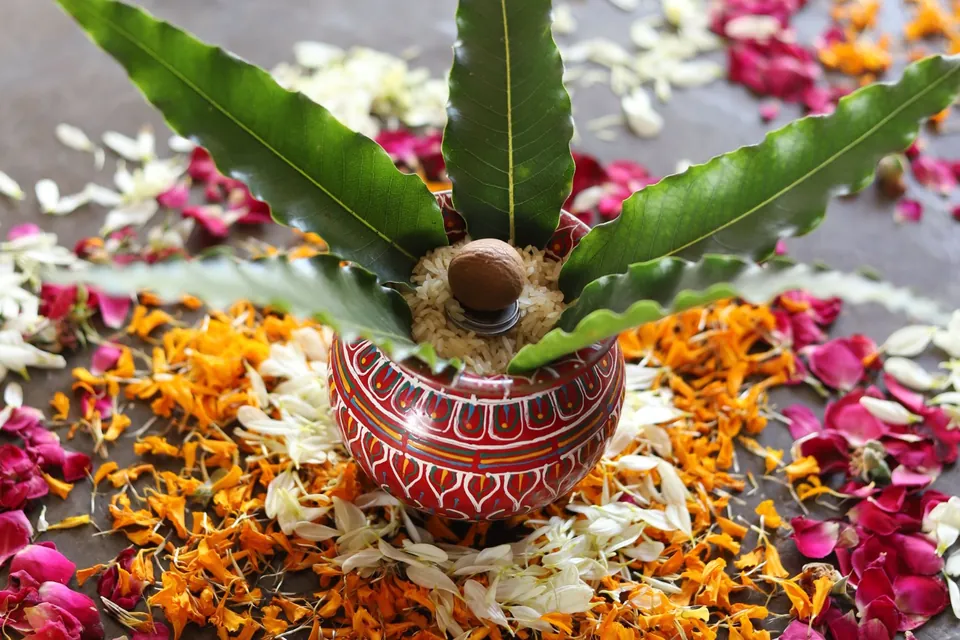
Ugadi and Gudi Padwa fall on the first day of the bright fortnight of Chaitra (Shukla Pratipada), usually in March or April. Andhra Pradesh, Telangana and Karnataka share Ugadi pachadi, a dish of six tastes for the year’s mix of experiences, and the Panchanga Shravanam; in Maharashtra a gudi is raised at the doorway. Chaitra Navratri begins the same day.
Ganesh Chaturthi
Ganesha is welcomed home as the remover of obstacles.
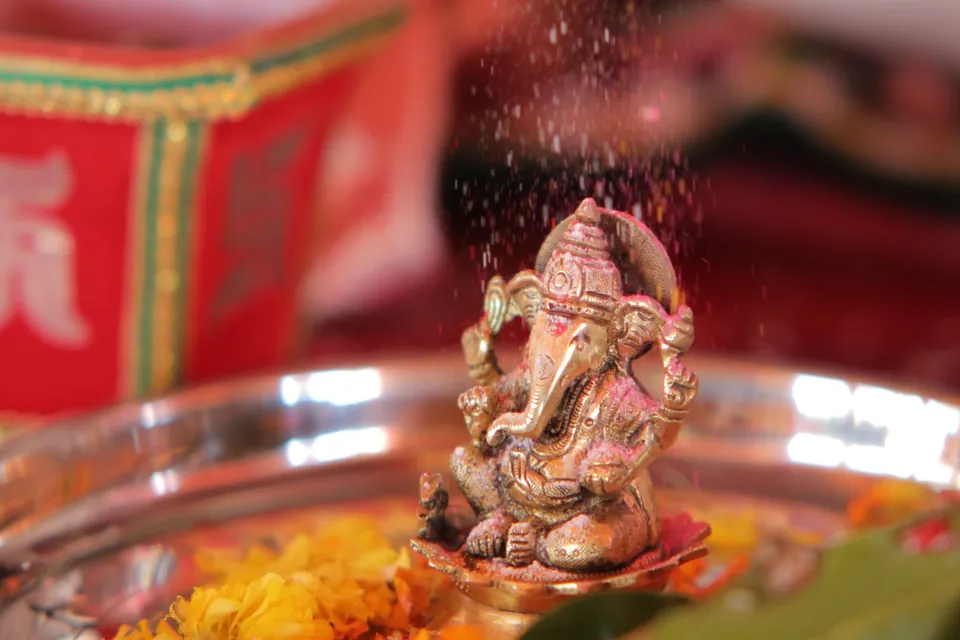
Ganesh Chaturthi falls on the fourth day of the bright fortnight of Bhadrapada (Shukla Chaturthi), usually in August or September. Ganesha is installed and worshipped at midday with modakas and durva grass; the celebration often continues for up to ten days, ending with immersion on Anant Chaturdashi.
Onam
Kerala’s harvest festival, welcoming King Mahabali home.
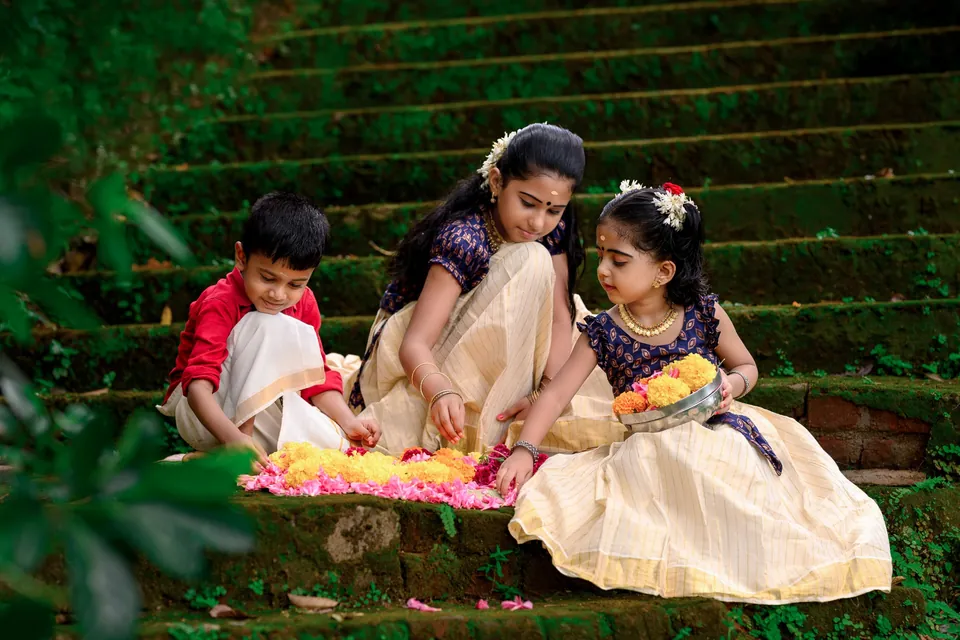
Onam follows Kerala’s solar calendar: Thiruvonam is the day the Moon is in Shravana (Thiruvonam) nakshatra in the month of Chingam, usually in August or September, after ten days that begin on Atham. Homes lay pookalam flower carpets and share the Onasadya feast; snake-boat races and Pulikali add to the celebrations. Its date is not yet in our calendar, which follows the lunar tradition.
Vishu
Kerala’s New Year, begun with the auspicious first sight of the Vishukkani.
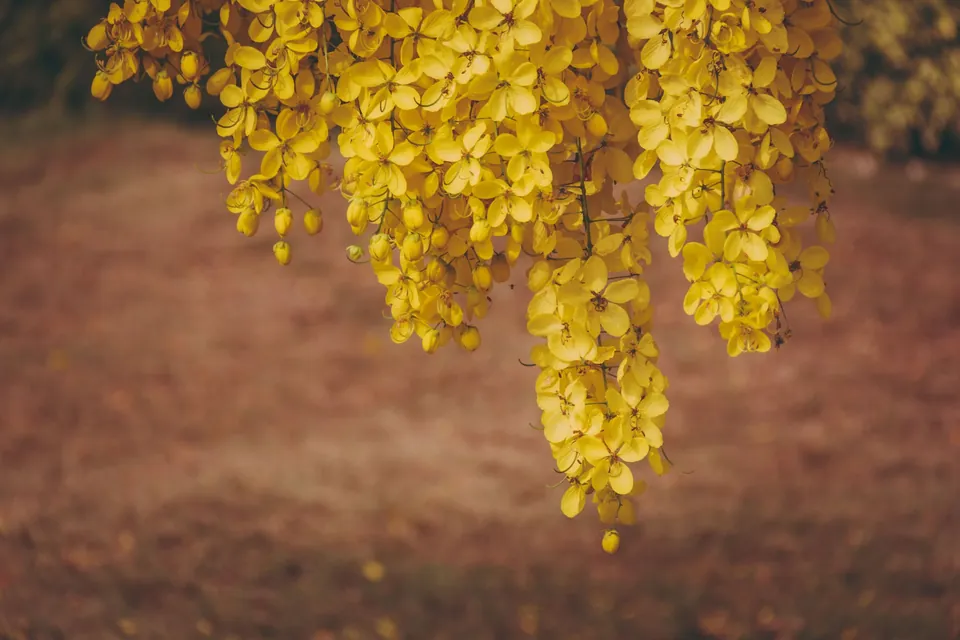
Vishu marks the Sun’s entry into sidereal Aries, the first day of Medam, usually April 14 or 15. The day begins with the Vishukkani, an arrangement of golden konna flowers, rice, fruit, a lamp and a mirror seen first on waking, followed by Vishu kaineetam gifts. The same solar New Year is Puthandu in Tamil Nadu, Baisakhi in Punjab and Bohag Bihu in Assam. Its date is not yet listed in our calendar.
Maha Shivaratri
A sacred night honoring Shiva through reflection, worship and fasting.
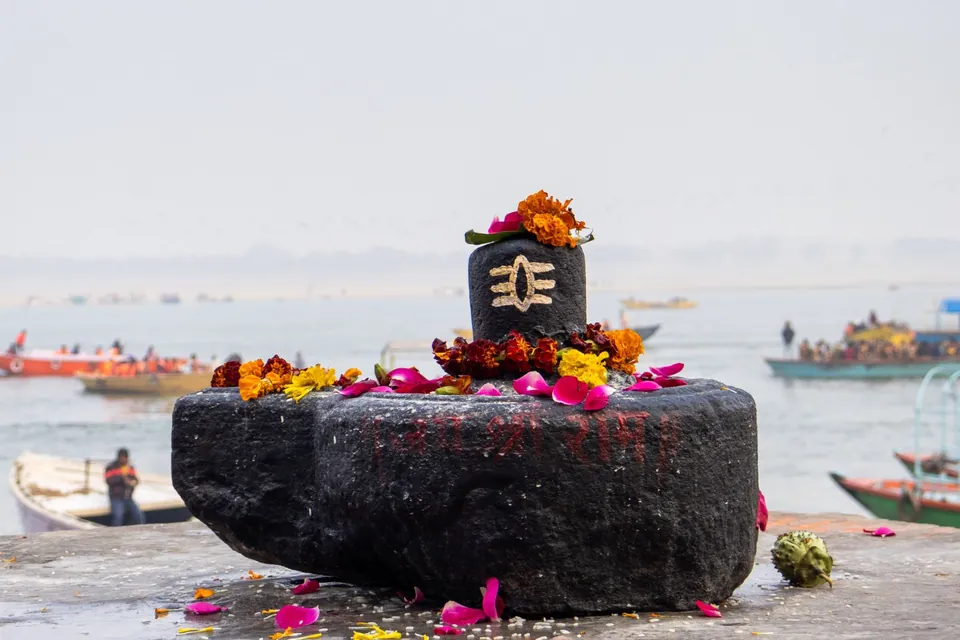
Observed on the fourteenth night of the waning Moon (Krishna Chaturdashi) in Magha by the amanta calendar, Phalguna by the purnimanta calendar, usually in February or March. Many keep a day-long fast and worship through the night, often in four watches, with Shiva mantras and abhisheka; the midnight period (Nishita) is held especially sacred.
Holi
A celebration of spring, color, renewal and shared joy.
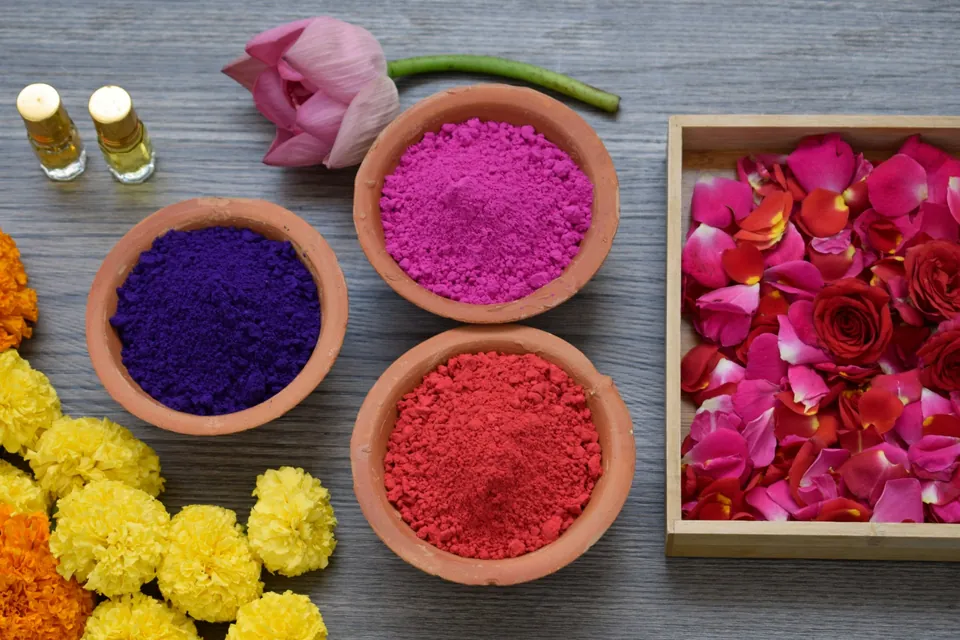
Holika Dahan, the bonfire recalling Prahlada’s protection, is lit on the evening of Phalguna Purnima, the full moon, usually in March. The festival of colors follows the next morning, a day of play, forgiveness and renewed friendships.
Rama Navami
A festival celebrating the birth of Rama and the ideals of dharma.
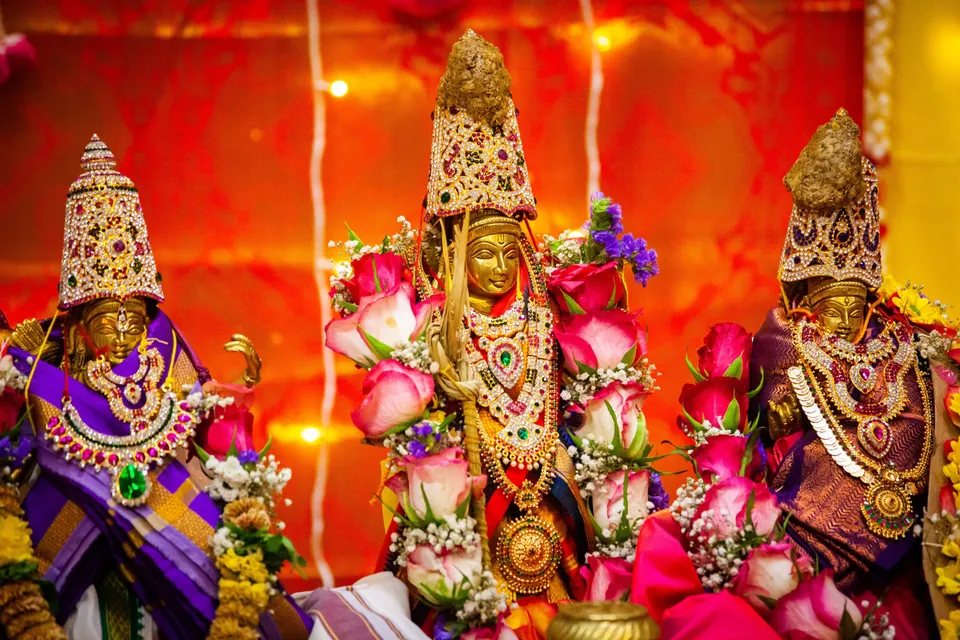
Rama Navami falls on the ninth day of the bright fortnight of Chaitra (Shukla Navami), usually in March or April, and closes Chaitra Navratri. Worship centers on midday, the traditional hour of Rama’s birth, with recitation of the Ramayana and temple celebrations.
Janmashtami
The celebration of Krishna’s birth, associated with devotion and joy.
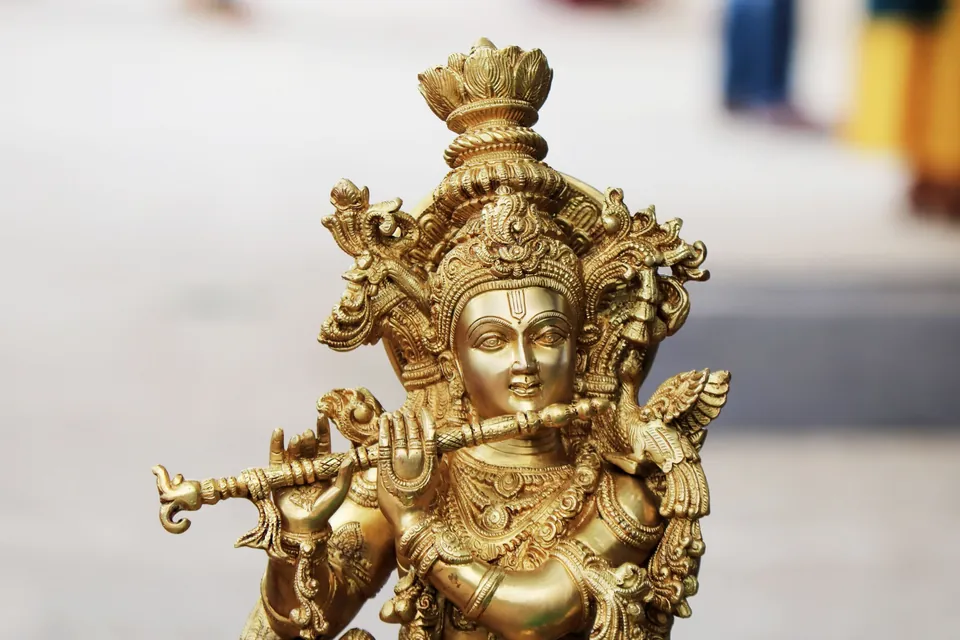
Janmashtami is the eighth day of the waning Moon (Krishna Ashtami) in Bhadrapada by the purnimanta calendar, Shravana by the amanta calendar, usually in August or September. Devotees fast and keep vigil until midnight (Nishita), the hour of Krishna’s birth, with songs, stories and the cradle ceremony.
The sacred year at a glance
Festival calendar
Browse by month and focus on the observances that matter to you.
Everything in its place
More ways to explore
Use the filters above the calendar to focus on one kind of observance.
The Ask Lopamudra method
Classical Jyotish, carefully engineered.
Every reading comes from a Jyotish engine built by hand, rule by rule, from authentic classical principles and years of practical research.




 Built by hand
 Read together, not averaged
 From your actual chart